
A large-scale international operation against the illegal trade of medicines, coordinated by Interpol, has led to the seizure of over 6.4 million doses of unauthorized and counterfeit medications valued at $15.5 million. The operation spans 90 countries and territories and highlights the growing role of online channels and misinformation in the distribution of dangerous products, the organization reports.
As part of Operation “Pangea XVIII” (March 10–23, 2026), 269 arrests were made, including in Bulgaria, and 66 criminal groups were dismantled. Law enforcement agencies have initiated 392 investigations and executed 158 searches targeting distribution networks for unauthorized, counterfeit, and substandard medical products.
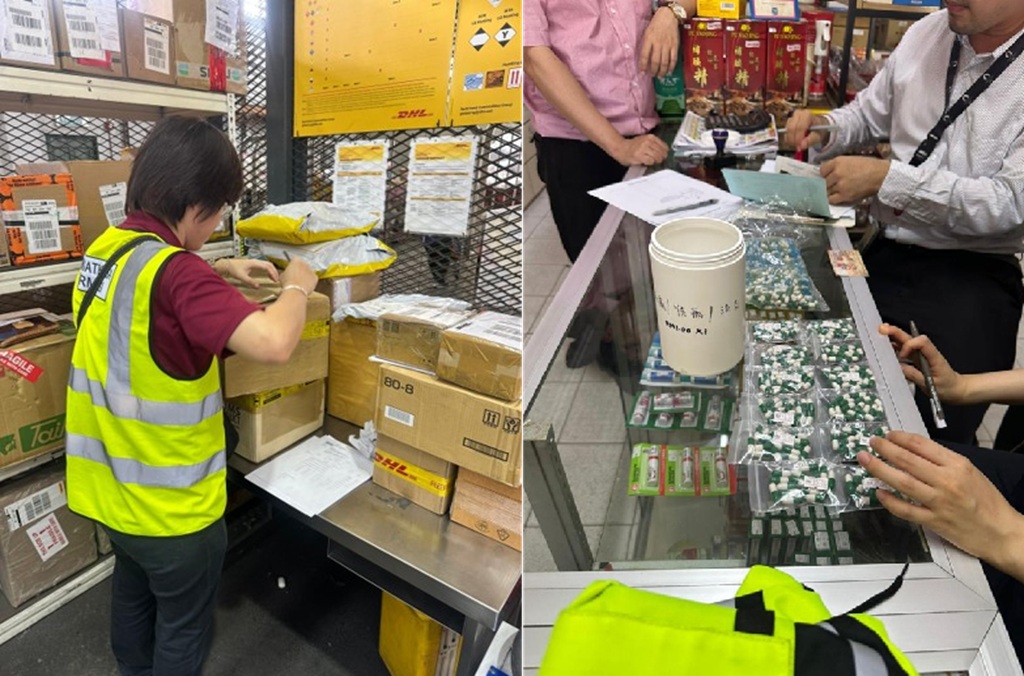
Among the most frequently seized medications are drugs for erectile dysfunction, sedatives, painkillers, antibiotics, and smoking cessation products. In parallel, approximately 5,700 websites, social media profiles, and channels used for the sale of illegal medicines were removed.
“Counterfeit medicines are not just a fraud – they threaten human lives,” stated Interpol Secretary General Valdecy Urquiza, emphasizing that criminal networks exploit gaps in control and target individuals seeking quick or cheap treatment.
The operation recorded a sharp increase in the seizure of antiparasitic drugs – a trend also observed during the COVID-19 pandemic.
The primary reason is the online dissemination of misleading claims that these products can treat cancer. The most commonly seized substances are ivermectin and fenbendazole – the latter being authorized only for veterinary use.
Often sold as “supplements” or as part of so-called “cancer treatment kits,” these products bypass regulations and reach consumers more easily.
Demand is also growing for medications related to physical appearance and fitness. Anabolic steroids are once again a leading category, with over 86,000 doses seized.
In Bulgaria, authorities dismantled an illegal steroid production factory and confiscated millions of falsely labeled tablets, ampoules, and injectable products.
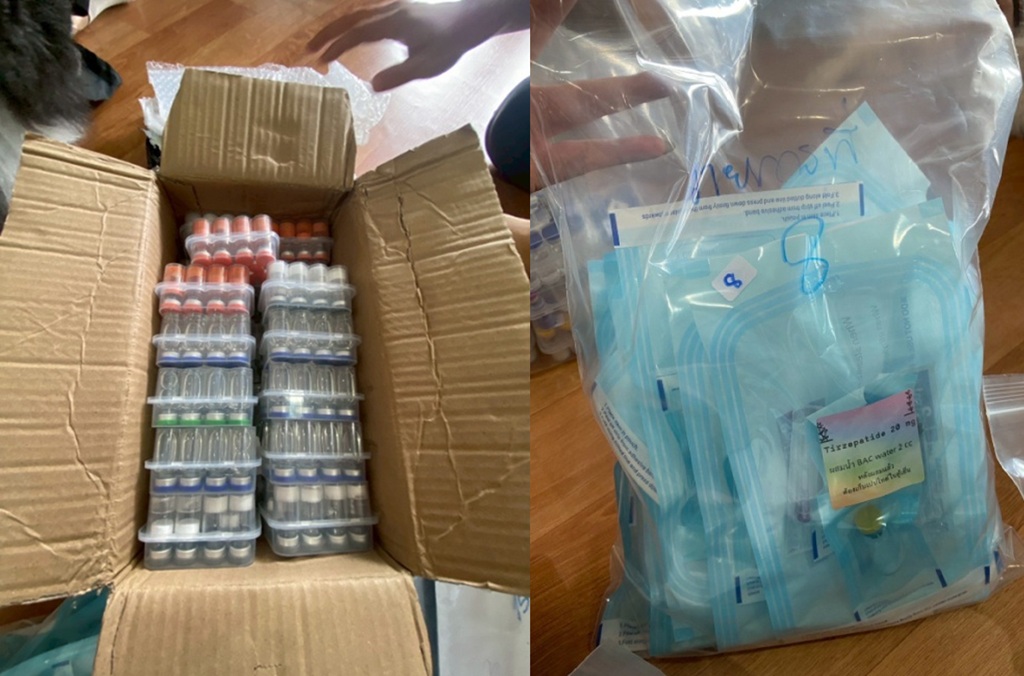
A rise in demand for peptides – synthetic substances advertised online for muscle growth and weight loss – has also been observed. These are often sold as “research chemicals” or “cosmetic products,” despite having no approved dosages or safety standards.
The high demand for GLP-1 type drugs, originally used for diabetes but popular for weight loss, also creates new opportunities for criminal networks.
Illegal versions of these medications are primarily produced in Asia and sold online at prices starting around $10. In some cases, they contain prohibited substances such as sibutramine, which is linked to an increased risk of heart attack and stroke.
In 12 African countries participating in the operation, the seizures mainly consisted of basic medicines such as antibiotics, painkillers, and antimalarial drugs.
These products are often sold in informal markets, particularly in regions with limited access to healthcare. Many of them are of low quality, falsified, expired, or improperly stored.
For example, 384,000 antibiotic capsules were seized in Burkina Faso, and one ton of counterfeit ibuprofen was recovered from a single vehicle in Côte d’Ivoire.
The operation highlights the scale of the global problem and the need for strengthened international cooperation to protect public health.

